Walking onto the floor at a busy venue in Wollongong, the chatter around the table can feel louder than the spin itself. Players shout terms that sound like code, and if you do not know the lexicon, you are just guessing. Understanding casino jargon roulette matters because it shapes how you read the layout, place your chips, and manage your bankroll without second-guessing the dealer. Whether you are chasing a slow session or a quick flutter, the language on the felt is the first thing to master.
Why the Lingo Matters at the Table
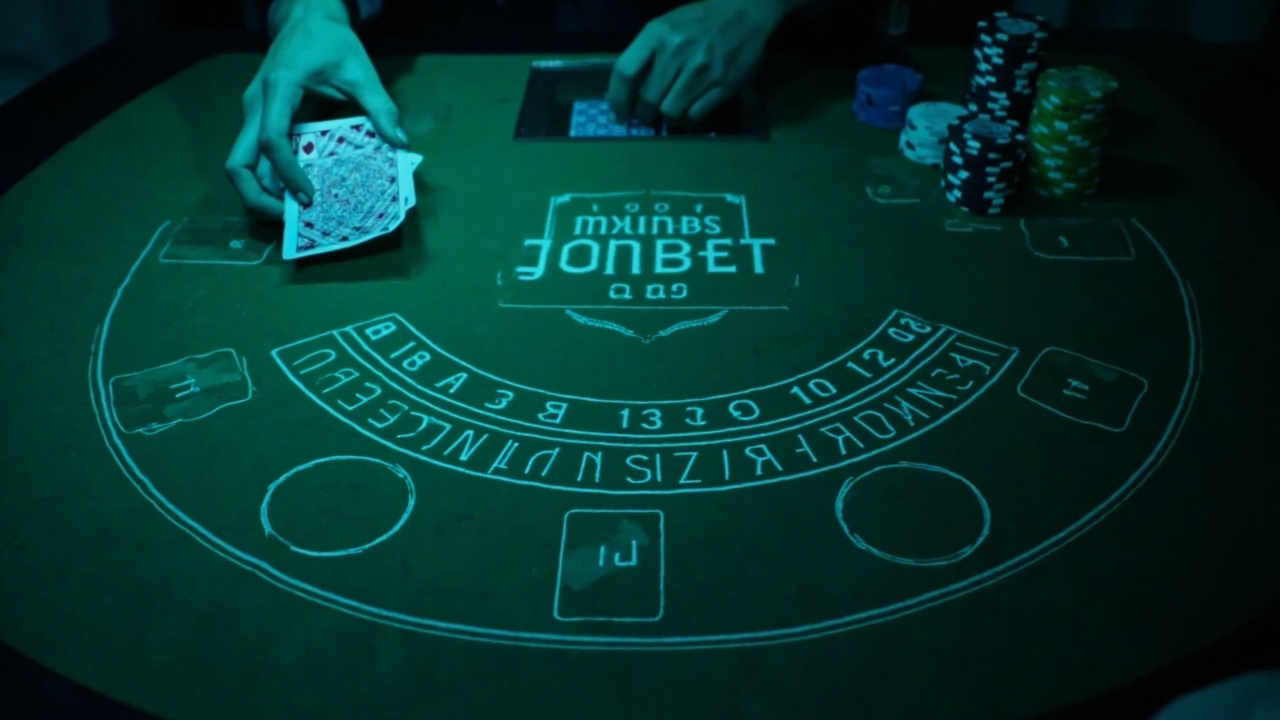
The terminology is not just theatre; it tells you exactly what the wheel is doing and what your options are before the ball settles. In casino jargon roulette, phrases like „straight up” and „split” describe how your chips sit on the layout, which changes the odds and the payout instantly. A straight up bet covers a single number and pays thirty-five to one, while a split covers two numbers and halves the risk for a lower return. The dealer will call out „dopey” or ” neighbour” bets when players want to cover sections of the wheel rather than the grid, and that shift changes the maths under the hood. From a producing standpoint, I have seen table games where the call-outs were tuned to match the local crowd, and that small detail keeps the pace honest instead of confusing newcomers. If you cannot parse the call, you are reacting late, and late bets get swept off the layout before the round closes. The terminology also signals when a table is running hot or quiet, because regulars will cluster around certain sections and the dealer will adjust the rhythm to match the room. You do not need a degree in game math to follow it, but you do need to recognise that every term maps to a specific risk profile, and that is the whole point of learning the lexicon before you put money down.
Reading the Call-Outs in Real Time
When the dealer calls a neighbour bet, they are asking the croupier to cover a slice of the wheel around a chosen number, which is handy when you want exposure without laying chips on every pocket. The call usually names a number and a count, so you hear something like „twenty-two, four neighbours” and the layout gets marked accordingly. That is the moment where casino jargon roulette stops being abstract and becomes a practical tool, because you can see exactly which pockets are covered and decide whether the spread matches your staking plan. I have consulted on tables where the call-outs were too fast for the room, and the fix was not louder speakers but a cleaner cadence that let players place chips before the spin. If you are watching a live table, listen for the word „voiture” or „full” when a neighbour bet is being built, and you will know the dealer is stacking coverage rather than picking single pockets. The real skill is matching your bet size to the coverage, because a wide neighbour bet spreads the risk thin and a tight single bet concentrates it, and neither is automatically better. sugar rush slot
Payouts and the Language of Returns
Every term on the felt ties back to a payout structure, and that is where the jargon gets practical for your wallet. A „street” bet covers three numbers in a row and pays eleven to one, while a „corner” covers four and pays eight to one, and those numbers are not arbitrary. In casino jargon roulette, the payout language is a shortcut for the underlying probability, so when you hear „dozen” or „column,” you are hearing a bet that covers twelve pockets and pays two to one. I have built ETG tables where the display showed the payout alongside the term, and that small addition cut down on confused hands at the felt. If you are playing a live table, ask the dealer to walk through a term once, because a clear explanation beats guessing and losing chips to a layout you did not read. The payout terms also tell you when a bet is a long shot versus a steady grind, and that distinction matters more than any flashy call-out. Roulette Uitbetalingstabel En Slim Kiezen Voor
Chips, Colours, and Table Talk
The chips on a roulette table are not the same as the ones on a slots floor, and the colour coding is part of the jargon you need to track. Each player gets a unique chip colour at the table, so the dealer can tell whose bets are whose when the ball lands, and that system keeps the round clean even when the table is packed. You will hear terms like „colour up” when the dealer swaps your stack for higher denominations, and that call is a signal to count your chips before the next spin. From a loyalty and operations angle, I have seen venues use the chip colour system to keep regulars engaged, because a familiar colour on the layout feels personal and keeps the session flowing. If you are at a busy Wollongong club on a Friday arvo, the chip calls will be quick, so keep your stack tidy and listen for the colour-up call before you top up. The table talk is not just noise; it is the operating language of the round, and learning it saves you from misreading the layout when the pace picks up.
Matching the Lingo to Your Play Style
The jargon only pays off when you match it to how you actually want to play, and that comes down to whether you prefer a slow grind or a sharper flutter. If you like covering sections and watching the wheel turn, neighbour and dozen calls suit you, because they spread the risk and keep the session steady without chasing every pocket. If you prefer a tighter approach, straight up and split terms are your bread and butter, because they let you pick numbers and accept the higher variance in exchange for bigger payouts when they hit. Either way, the language is the same, but your staking plan changes, and that is where a clear head matters more than any fancy call-out. I have sat with players who memorized every term and still lost track of their bankroll, so the jargon is a tool, not a guarantee, and it works best when you pair it with a limit you are comfortable with. If you want a slower pace, look for tables where the dealer calls the layout clearly and the crowd is not rushing the bets, because that environment lets you read the terms without pressure. If you want a quicker session, pick a table with a brisk cadence and stick to the terms you know, because guessing under time pressure is how chips disappear before the ball lands. Either way, the lexicon is there to help you place bets with intent, not to promise a win, and that is the honest read on casino jargon roulette.

Some players like the visible wins too, and it is true that winners are sometimes made visible and audible to inspire nearby players, which can lift the mood on a quiet table. Leo Wilson, Sports Betting Analyst, Great Southern Betting Review, says the call-outs are most useful when they match the room’s pace, because a table that talks too fast turns jargon into noise. Ethan Hughes, Customer Experience Lead, Wattle Gaming Partners, notes that a clear layout and steady cadence keep newcomers from misreading the felt, which is why the language matters more than the flash. Sienna Brown, Responsible Gambling Adviser, Pacific Wager Analytics, cautions that learning the terms should never become a reason to chase losses, because the jargon describes the bets, not the outcome. If you want a change of pace after the table, you can always switch to something like sugar rush slot for a different kind of session. For players who want to understand payout grids in another language, the roulette uitbetalingstabel guide is a handy reference when you are comparing returns across tables.